By Judy Bush, NFTA Board Member
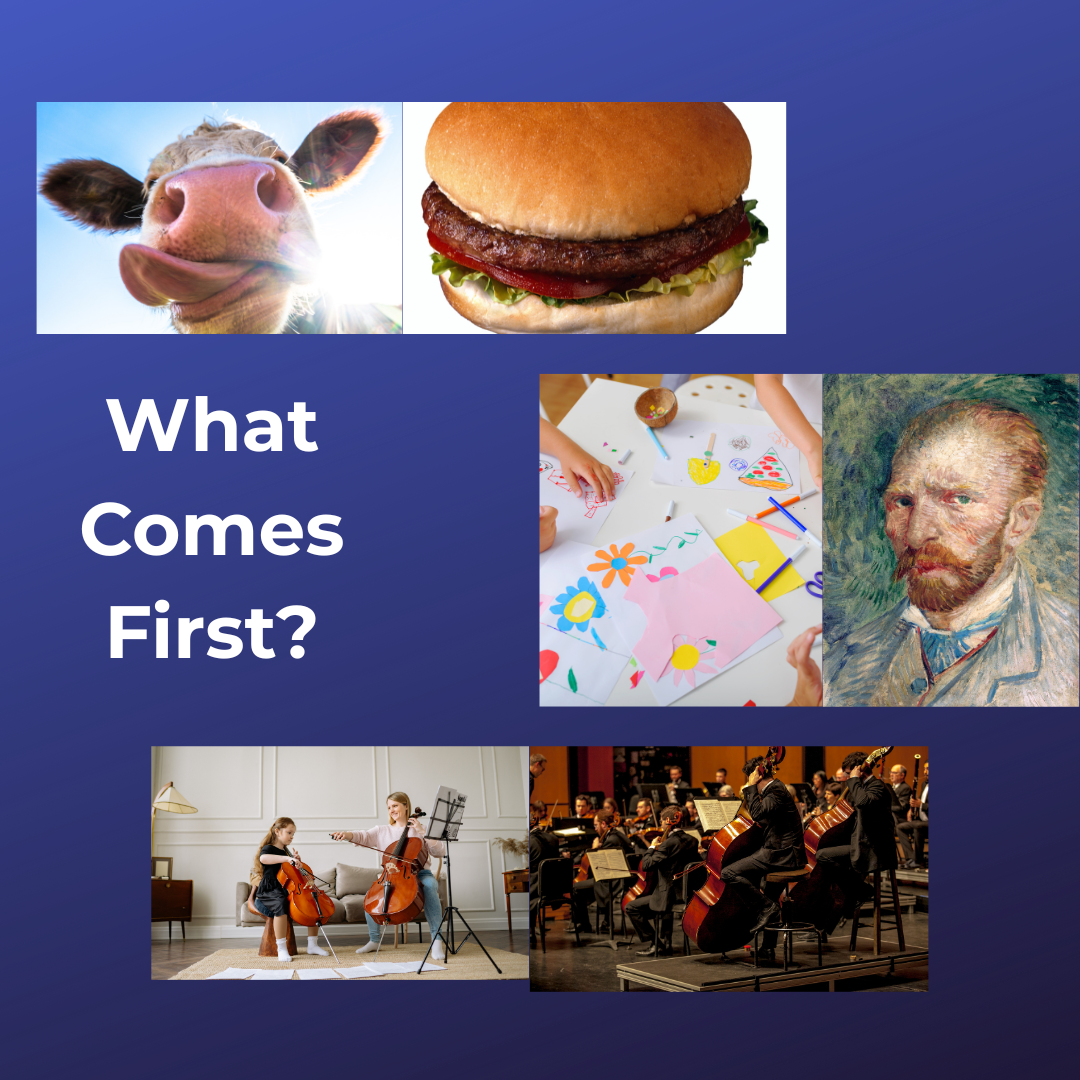
When I was a kid growing up in the city, if someone had asked me where my hamburger came from, I would have said the grocery store or a restaurant. There was no understanding of how beef cattle were raised, fed, and processed to get that burger to my plate. No one to take care of the cows, no hamburger. There are many things in our culture where the origin story is unknown or misunderstood, mainly because we don’t have a practical working knowledge. For instance, there’s not a day that goes by that I don’t hear music somewhere. Whether it’s passive as I walk through the grocery store or active as I sing music during church or clap long with the marching band at a football game, whether heard in a concert hall or a park, it’s everywhere. Although we may perceive that those who make the music are just “talented” and assume that talent is only for those lucky few, it’s far from the truth. Just like the hamburger that shows up on your plate, there’s a lot of foundational, behind-the-scenes arts education that provides all the enjoyment that we take for granted.
It’s not just music, of course, it’s also visual art, theater, and dance. Just like music, each art form requires people who know how to create the art, in some cases connect the arts, perform or share the art with others who then respond to the art. This happens through arts education, which in public schools, begins at the elementary level with great curriculum taught by qualified educators, with the goal that every child will have access to a foundation which may open pathways to a deep appreciation for the arts, understanding their place in our lives, how they reflect our history and culture and opening a doorway to a myriad of career possibilities.
Established by Congress in 2010, National Arts in Education Week is a nationwide celebration that highlights the critical role the arts play in fostering creativity, critical thinking, and cultural understanding in schools. This year, it runs from September 7-13. Lessons in the arts introduce K-12 students to problem-solving techniques, which help them to see the world in new ways and provide access to creative ways of knowing. This yearly celebration intends to “inform the public of the accomplishments and needs of the public schools and to secure the cooperation and support of the public in meeting those needs.” (Arts for Learning Massachusetts)
According to the Americans for the Arts, arts in education drives student success across every measure:
- Academic Achievement: Higher test scores and graduation rates
- Workforce Readiness: Building the creativity and collaboration skills that 72% of business leaders say are essential
- Student Wellness: Providing emotional outlets and supportive communities
- Equity: Ensuring all students can access transformative learning experiences
There are very few things in our divisive world that bring people together like the arts. Students from all walks of life learn skills and techniques that allow them to work collaboratively to create and perform great works of art that strike at the very heart of what makes us human. That learned work ethic, problem-solving ability, and collaboration are what employers crave. I once spoke with an engineering professor recruiting for graduate students who shared that when looking at applications, he always took students who played in the band because of those traits I listed above. His question to me was “how do they do that?”. It’s part of the magic of great arts education.
As a community, how can we bring this to light and how can we support these students and teachers? First to teachers, consider having “informances” as well as performances. Performances are wonderful for sharing the final product; however, informances demonstrate how the process of learning happens. Consider ways of incorporating parents in classes, allowing students to lead them. Show them the skills and knowledge their students are learning to create that public performance and encourage them to attend. For those of us who may not have children or grandchildren involved anymore, volunteer to help in the classroom and attend student performances. Give to local foundations or other fundraising activities for schools lacking in the proper resources and supplies. Speak to art educators to see if they need any specific donated supplies. School budgets are tight, and every little bit helps, from paintbrushes to costumes to instruments. Speak to your legislators about the importance of the arts in your community and encourage them to not only support them financially but also by attending events as community members.
Your favorite artists and local professional instrumentalists, choirs, actors, dancers, and visual artists don’t just decide one day to show up and share their “talent”. It has taken them many years and hard work to achieve the level of professionalism that makes what they do seem so effortless. It all begins in our public school arts classes. Choose an area that speaks to you and do what you can at a grassroots level to support the next generations of artists.