Creativity, Connection, and the Classroom: Research Insights on School and Community Arts Partnerships
By Lance Nielsen
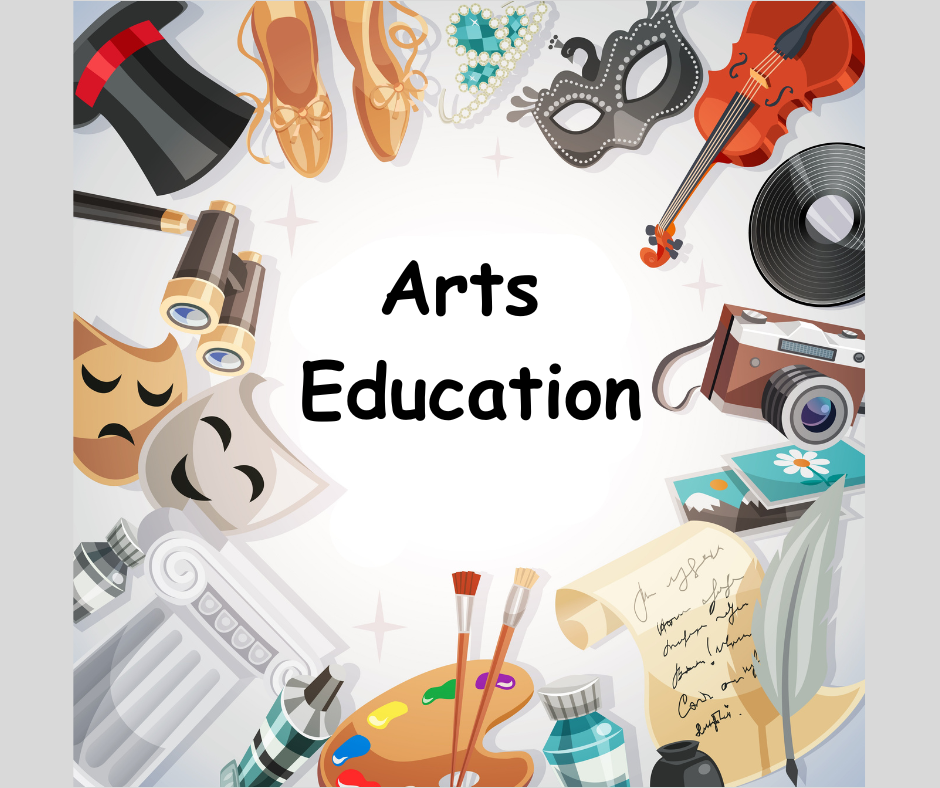
The month of March is a time dedicated to recognizing and celebrating Arts Education. Music in Our Schools Month (MIOSM, Youth Arts Month (YAM), Theater in Our Schools (TIOS), and Dance in Our Schools Month are happening this month.
Community arts programs have always been places where creativity lives, but a recent report, Creative Expression, Caring Relationships, and Career Pathways: A Guide to Youth Outcomes in Community Arts Programs, helps put words, structure, and evidence behind what many educators, artists, and advocates have long observed–These programs change young people’s lives in meaningful and lasting ways.
Drawing on interviews with 102 alumni from 32 community arts organizations across the U.S., U.K., and Australia, the report looks beyond traditional measures like attendance or technical skill. Instead, it centers youth voices to understand how arts participation shapes identity, relationships, and future opportunities. Through the analysis of more than 20,000 pages of interviews, researchers developed a detailed taxonomy that captures the full range of outcomes young people experience in community arts settings.
When conversations about arts education in schools turn to budget cuts or scheduling pressures, a familiar argument often surfaces: The arts are important, but they can happen in the community; schools should focus on the basics. But this report offers a powerful counterpoint to arts education advocacy. While the study focuses on community arts programs, its findings make a strong case that these learning conditions must be firmly established within K–12 schools. When arts education is left only to after-school programs or community settings, we risk weakening these essential connections. Schools and community arts organizations must work hand in hand if we truly want arts education to thrive.
What the report makes clear is that arts learning is not just about producing art. It is about identity, belonging, and opportunity. Interviewees consistently describe arts spaces as places where they learned who they were, how to work through challenges, and how to express themselves safely. These are not “extra” outcomes; they are foundational skills for learning in every subject area. In schools, where young people spend most of their waking hours, arts education plays a critical role in helping students connect learning to who they are and how they experience the world.
Equally important is the relational nature of arts learning. Students thrive when they feel safe, supported, and known, and the arts are uniquely positioned to create that environment. The report shows that young people often describe their arts programs as a family, built on trust, mentorship, and shared purpose. Schools that embed arts education are not outsourcing this developmental work; they are strengthening it. Arts classrooms create space for collaboration, empathy, and communication, focusing on skills that directly support academic success and positive school culture.
This study also reinforces how deeply arts learning supports college and career readiness. Interviewees credit arts experiences with helping them build transferable skills like problem-solving, collaboration, adaptability, and confidence. Many explored career pathways, gained early work experience, or developed networks that shaped their futures. These outcomes align directly with what K-12 education is charged to do: Prepare students not only to graduate, but to navigate an evolving workforce and civic life. Arts education in schools ensures that these career-connected skills are developed early and consistently, not left to chance.
The argument that arts education can simply be “handled by the community” also overlooks access and equity. Community arts programs should not be positioned as substitutes for school-based arts education. Instead, they work best as partners to extend, deepen, and enrich what begins in the classroom. Schools provide a stable, universal foundation, and community programs build on it with specialization and additional opportunities. Framing the arts as “outside” of education misunderstands their role. Arts learning is a partnership of K-12 Schools and community-based programming.
The Bigger Picture
Creative Expression, Caring Relationships, and Career Pathways makes a compelling case. It is a core driver of student engagement, well-being, and future readiness. They are powerful systems of support that nurture identity, belonging, opportunity, and purpose. When arts education is embedded in K–12 schools and partnered with vibrant community opportunities, the field is better equipped to ensure that all young people, regardless of background, have access to the transformative power of the arts.
References:
Creative Expression, Caring Relationships, and Career Pathways: A Guide to Youth Outcomes in Community Arts Programs
Author(s)
Kylie Peppler, Seth Corrigan, Maggie Dahn, Julian Sefton-Green, Pariece Nelligan, Daniela DiGiacomo, and Sam Mejias